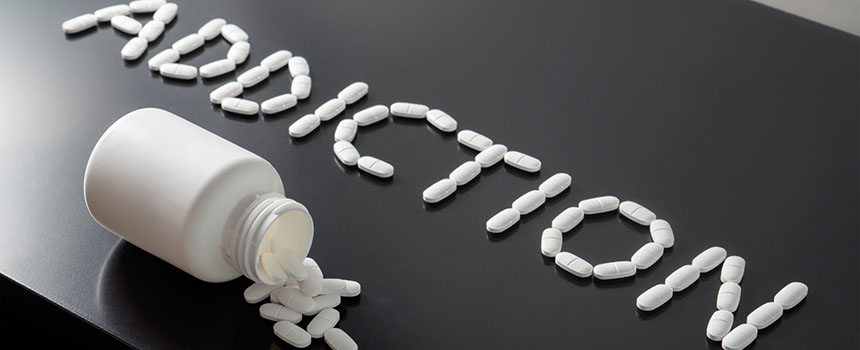
As with many other conditions and diseases, vulnerability to addiction differs from person to person. Your genes, mental health, family and social environment all play a role in addiction. Risk factors that increase your vulnerability include a family history of drug addiction, traumatic experiences, abuse and neglect and mental disorders. Smoking or injecting a drug may also increase its addictive potential.
People who are battling an addiction show several signs that they are on drugs that are harming them. If you suspect that a loved one or a close friend is fighting an addiction that they may or may not be aware of, there are many signs. These signs can be physical, psychological or behavioural. Different people will be affected differently by various drugs and how they have chosen to take them.
Physical signs
- Bloodshot eyes, pupils larger or smaller than usual.
- Changes in appetite or sleep patterns.
- Sudden weight loss or weight gain.
- Unusual smells on breath, body, or clothing.
- Psychological signs.
- Unexplained change in personality or attitude.
- Sudden mood swings, irritability, or angry outbursts.
- Periods of unusual hyperactivity, agitation, or giddiness.
- Appears fearful, anxious, or paranoid, with no reason.
- Behavioural signs.
- Unexplained need for money or financial problems.
- Engaging in secretive or suspicious behaviours.
- A sudden change in friends.
- Frequently getting into trouble.
Substance abuse, as a disorder, refers to the abuse of both illegal and legal substances. Alcohol is the most common legal drug that is abused in South Africa.
Substance dependence is an addictive disorder that describes the continued use of drugs or alcohol with unsuccessful efforts to stop.